2026-10-12 ·
The Florida Homeowner’s Emergency Guide to Termite Swarming Season
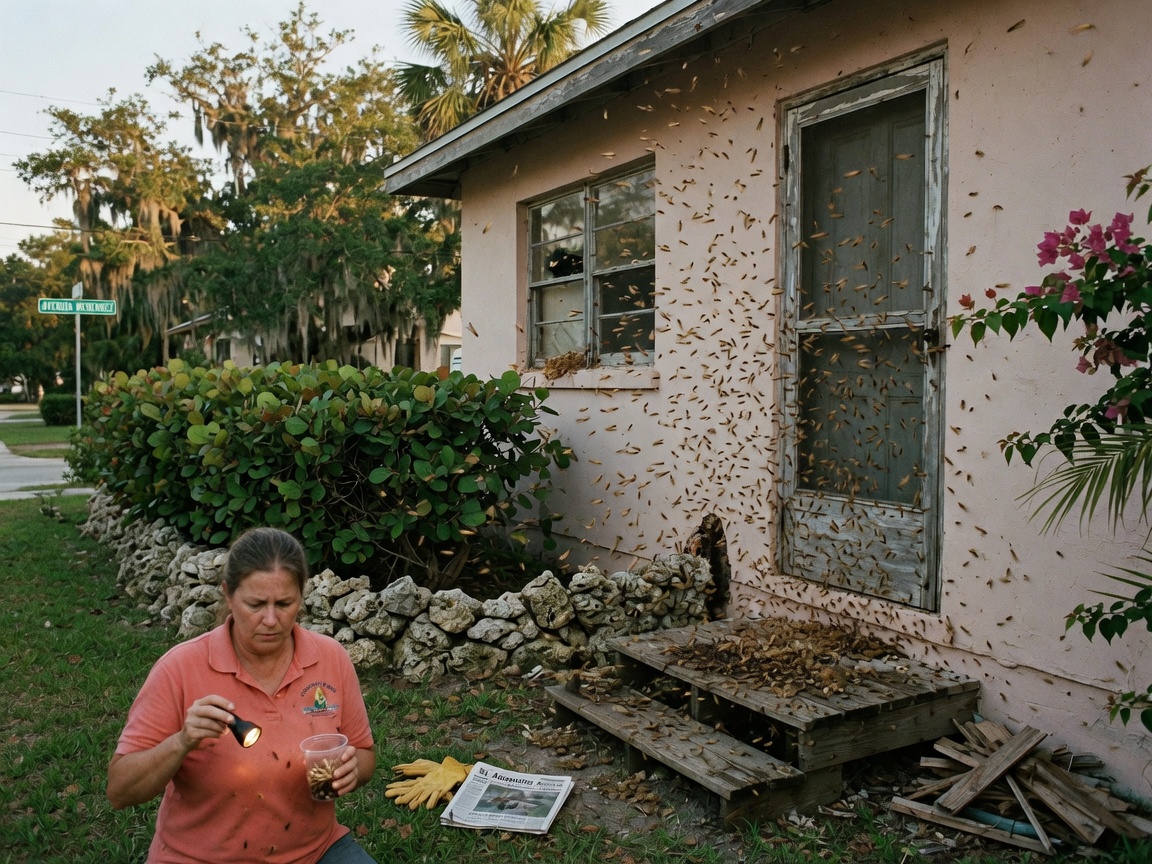
Termite swarming season in Florida is a critical period when reproductive termites, known as alates, emerge from their colonies to establish new ones. For homeowners in St. Augustine and the surrounding areas, this typically means heightened vigilance from spring through early summer, though some species can swarm year-round in our warm climate. If you spot swarmers, it's an emergency: it indicates an active, mature colony either within your home or very close by. Immediate action is crucial because these swarmers are the visible sign of a hidden threat, and their presence means the colony is large enough to be sending out new queens and kings to reproduce, signifying substantial existing damage or the potential for it to begin very soon.
Understanding St. Augustine's Termite Threats
St. Augustine's unique climate and older housing stock, particularly in areas like Lincolnville or around the historic district, make it a prime target for several termite species. The most common and destructive are subterranean termites, including the highly aggressive Formosan termites, and drywood termites. Subterranean termites, as their name suggests, live in underground colonies and build mud tubes to access food sources, primarily cellulose, which means the wood in your home. Formosan termites are particularly notorious for their large colony sizes and rapid consumption of wood, making them a significant threat to properties across the St. Augustine area. Drywood termites, on the other hand, do not require soil contact and can infest isolated wooden structures, leaving behind tell-tale fecal pellets known as frass.
Our proximity to the coast and high humidity levels create an ideal environment for these pests. Many homes here, especially those built decades ago, have wooden foundations or crawl spaces that are particularly vulnerable. Recognizing the type of termite you're dealing with is the first step in effective emergency response. For instance, Formosan termites tend to swarm at dusk or night, attracted to lights, while drywood termites often swarm during the day. If you're unsure, a professional inspection is always the best course of action to accurately identify the species and assess the extent of the infestation. For more in-depth information, you can explore our dedicated page on <a href="/services/termite-control">Termite Control</a>.
Identifying Termite Swarmers vs. Ants
A common mistake homeowners make is confusing termite swarmers with flying ants. While both have wings and can appear similar, there are distinct differences that are vital for proper identification during an emergency. Termite swarmers have straight antennae, a thick waist, and two pairs of wings of equal length that are often shed shortly after swarming. Flying ants, conversely, have elbowed antennae, a pinched waist, and two pairs of wings of unequal length, with the front pair being longer than the back. Observing these characteristics carefully can help you determine if you're facing a termite emergency or a less severe ant issue. If you're seeing shed wings, especially near windowsills or light sources, it's a strong indicator of termite activity.
The presence of even a few swarmers inside your home is a major red flag, signaling a mature colony that has likely been active for 3–5 years or more. These swarmers are not the ones causing the damage directly; they are simply the reproductive caste seeking to establish new colonies. The real damage is being done by the worker termites hidden within your walls or foundation. Don't dismiss a small number of swarmers as a minor issue; they are an urgent call to action. Getting a <a href="/services/wdo-termite-inspection">WDO Termite Inspection</a> is paramount at this stage.
Immediate Emergency Actions to Take
Upon discovering termite swarmers in your St. Augustine home, panic is a natural reaction, but swift, informed action is more effective. Here’s what you should do immediately:
- Do Not Disturb Them Excessively: While it's tempting to spray them with household pesticides, this can scatter the swarmers and make it harder for professionals to locate the colony's entry points. It’s better to vacuum them up or collect a few samples for identification.
- Document the Sighting: Take photos or videos of the swarmers, noting the time of day and the exact location where you found them. This information is invaluable for a pest control specialist.
- Check for Other Signs: Look for mud tubes on your foundation, damaged wood (which might sound hollow when tapped), or tiny holes in drywall. Pay close attention to areas like crawl spaces, attics, and around window and door frames, common entry points in St. Augustine's older homes.