
2026-10-12 ·
Palmetto Bug vs. German Cockroach: Which Infestation Are You Facing
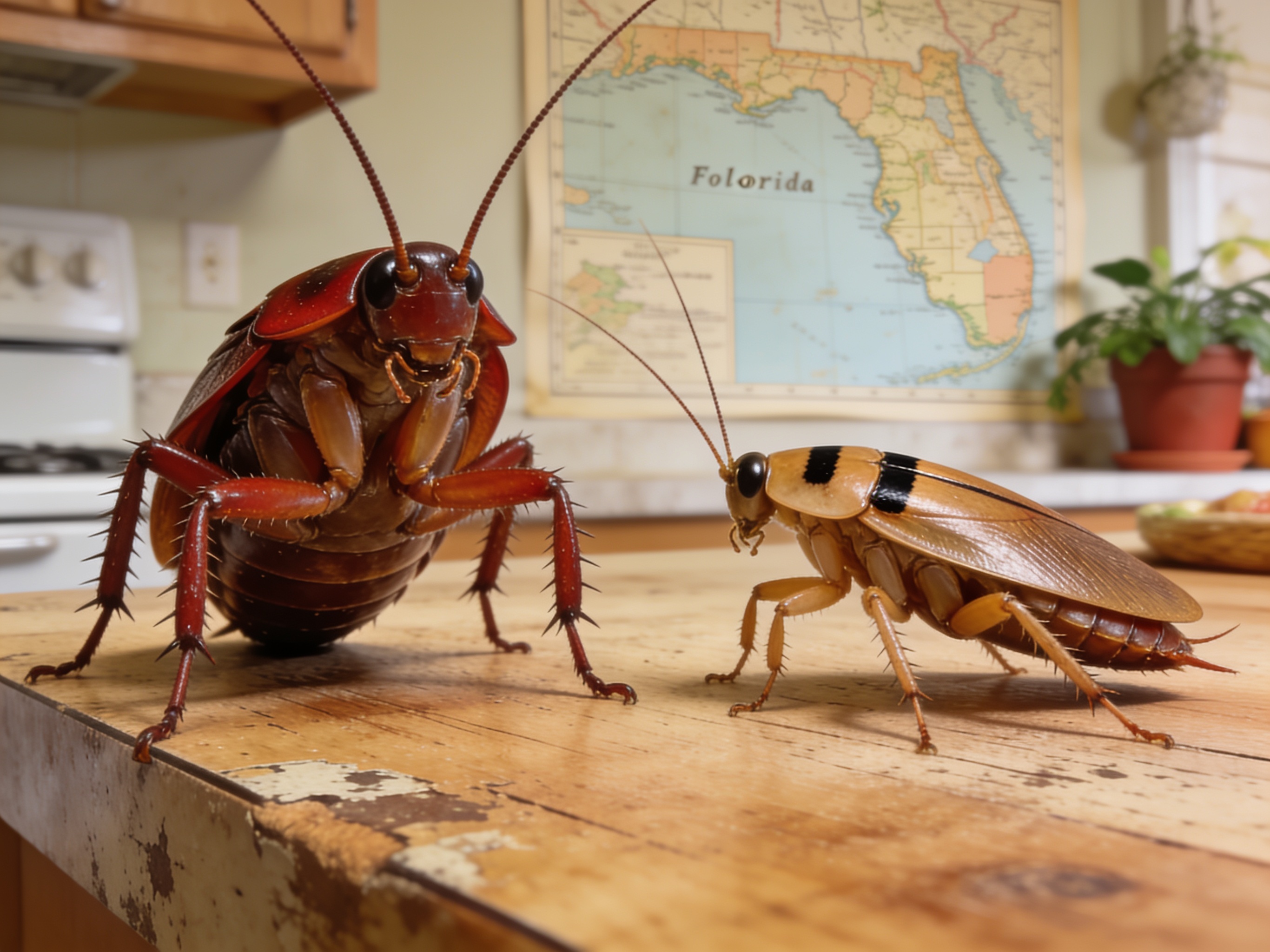
Distinguishing between a Palmetto bug and a German cockroach infestation is paramount for St. Augustine homeowners because their habits, preferred habitats, and effective treatment methods differ significantly. While both are types of cockroaches, a Palmetto bug (which is actually a common name for the American cockroach or Florida woods cockroach) is larger, typically 1.5 to 2 inches long, reddish-brown, and often flies, preferring outdoor environments but seeking shelter indoors. The German cockroach, on the other hand, is much smaller, about 0.5 to 0.6 inches, light brown with two dark stripes behind its head, and is almost exclusively an indoor pest, reproducing at an alarming rate and posing a greater health risk due to its propensity to infest kitchens and bathrooms. Understanding these distinctions is the first step in reclaiming your home from these unwelcome guests.
Visual Identification: Size, Color, and Markings
The most immediate way to tell these two pests apart is by their physical appearance. A Palmetto bug is quite large, often startling St. Augustine residents when it scuttles across a floor or, even more dramatically, takes flight. These are typically a shiny reddish-brown color, and their size can range from 1.5 to 2 inches, sometimes even larger. They have fully developed wings that extend beyond their abdomen, which they use for gliding or short, clumsy flights, especially during the warmer, humid months that are characteristic of our Florida climate. You might find them near local landmarks or older structures in neighborhoods like Lincolnville or Davis Shores, where they often emerge from drains or tree hollows.
In contrast, the German cockroach is significantly smaller, usually measuring only about 0.5 to 0.6 inches long. Their color is a lighter tan or light brown, and they possess two distinct, dark parallel stripes running lengthwise on their pronotum (the shield-like section behind their head). While they have wings, they rarely fly, preferring to scurry. Their size and coloration make them adept at hiding in cracks and crevices, which is why they are so challenging to eradicate once established in homes across St. Johns County. Recognizing these visual cues is critical for accurate identification and subsequent treatment.
Behavioral Differences: Where They Live and What They Eat
Beyond their looks, Palmetto bugs and German cockroaches exhibit vastly different behaviors and preferred habitats. Palmetto bugs are primarily outdoor pests. They thrive in warm, moist environments, often found in sewers, storm drains, compost piles, under mulch, or in tree holes. In St. Augustine, with its abundant foliage and historic infrastructure, it's common to see them around the base of oak trees or near the Castillo de San Marcos. They enter homes seeking food, water, or shelter, especially during heavy rains or extreme heat. When they do come inside, they're often found in basements, crawl spaces, laundry rooms, or bathrooms, typically near sources of moisture.
German cockroaches, however, are almost exclusively indoor pests. They prefer warm, humid, and dark environments, making kitchens and bathrooms their prime targets. You'll find them congregating near dishwashers, under sinks, behind refrigerators, inside cabinets, and even within small appliances. Their small size allows them to squeeze into incredibly tight spaces, making them difficult to spot until an infestation is well underway. Unlike Palmetto bugs, German cockroaches are not typically found outdoors in significant numbers in the St. Augustine area; if you see them outside, it usually indicates an extremely heavy indoor infestation that has spilled over. For more specific guidance on tackling these persistent invaders, explore our dedicated page on German Cockroach Extermination.
Reproductive Rates and Infestation Levels
The reproductive potential of these two cockroach types plays a significant role in how quickly an infestation can escalate. Palmetto bugs reproduce at a slower rate. A female American cockroach (a type of Palmetto bug) can produce about 6 to 14 egg cases (oothecae) in her lifetime, each containing an average of 14 to 16 eggs. The development from egg to adult can take 6 to 12 months. While they can certainly be a nuisance, their slower reproductive cycle means that an infestation typically builds up over a longer period.
The German cockroach is notorious for its rapid reproduction, which is a major reason why they are considered one of the most challenging pests to control. A female German cockroach can produce 4 to 8 egg cases in her lifetime, but each case contains 30 to 48 eggs. Even more critically, the development from egg to adult can take as little as 50 to 60 days under ideal conditions. This means a small population can explode into a massive infestation in a matter of weeks, making early detection and swift action absolutely crucial for homeowners in St. Augustine and surrounding areas. This rapid breeding cycle is why professional Cockroach Extermination is often necessary.
Health Risks and Property Damage
Both Palmetto bugs and German cockroaches can pose health risks, though the German cockroach is generally associated with a higher degree of concern due to its indoor habits. Palmetto bugs, by traveling through sewers and decaying matter, can pick up and transmit bacteria like E. coli and Salmonella to food preparation surfaces. Their presence can also exacerbate allergies and asthma in sensitive individuals due to their shed skins and droppings. While they don't typically cause structural damage, their sheer size can be unsettling, and their droppings can stain surfaces.